A well-tailored blazer can completely change an outfit, but making one yourself gives you even more control over the fit, fabric, and details.
These Modern Tailored Blazer Sewing Designs for Women bring together polished silhouettes, flattering shaping, and wearable fashion.
From sharp double-breasted styles to playful peplum hems, you’ll get 10 sewing ideas plus practical steps and finishing tips to inspire your next handmade blazer.
1. Double-Breasted Waist-Defined Tailored Blazer
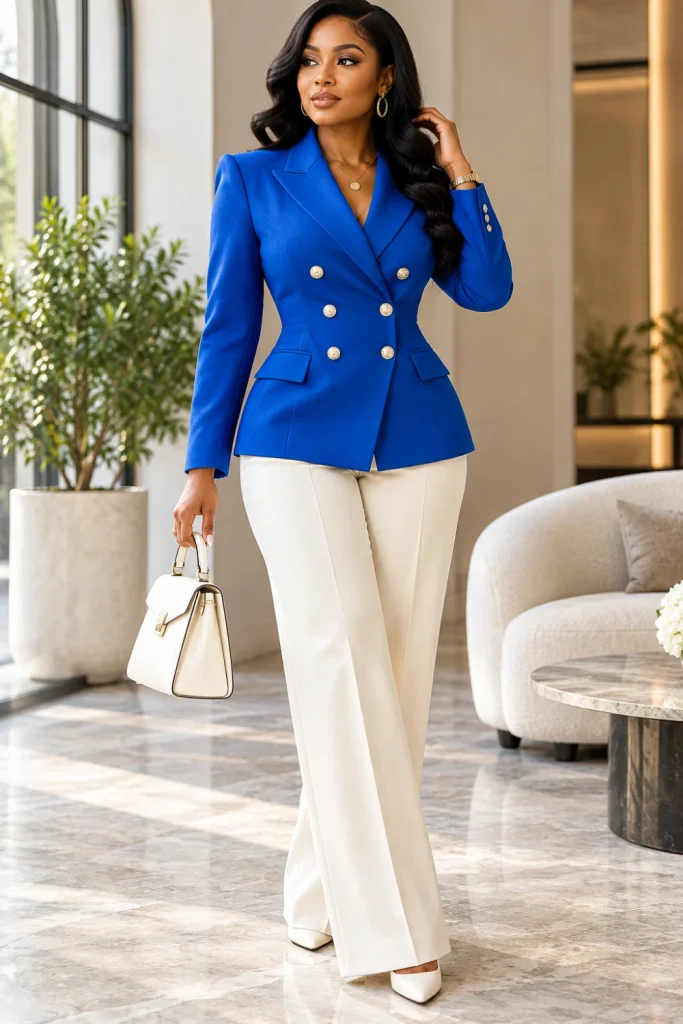
This design combines classic tailoring with a feminine shape.
The double rows of buttons create structure, while waist shaping keeps the silhouette polished instead of boxy.
Simple Steps:
- Choose a medium-weight suiting fabric with enough structure to hold its shape.
- Draft or adapt a blazer pattern with princess seams or darts for waist definition.
- Add a double-breasted front with carefully measured button placement.
- Build the lapels, collar, and front facing with fusible interfacing.
- Sew the sleeves and check the shoulder fit before completing the lining.
- Press every seam as you sew for a crisp professional finish.
One Tip: Use a waist seam or subtle shaping at the back to create definition without making the blazer overly tight.
2. Cropped Peplum-Tailored Blazer
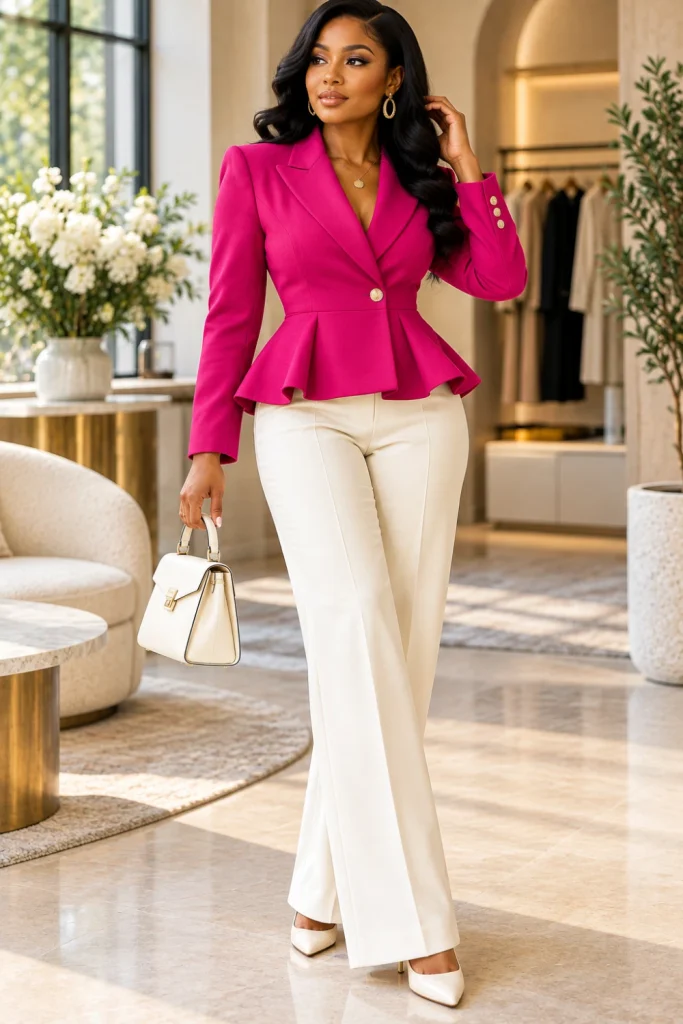
A cropped length gives this blazer a fresh, fashion-forward look, while the peplum adds movement around the waist.
It works beautifully with high-waisted trousers, jeans, skirts, and dresses.
Simple Steps:
- Start with a fitted blazer bodice and shorten it to sit around the natural waist.
- Draft a gathered, pleated, or flared peplum section.
- Stabilize the neckline, lapels, and front edge with interfacing.
- Attach the peplum evenly around the waist seam.
- Add sleeves with a lightly structured shoulder.
- Finish with statement buttons or a clean concealed closure.
One Tip: Keep the peplum slightly structured so it flares neatly instead of collapsing against the body.
3. Oversized Relaxed-Shoulder Blazer
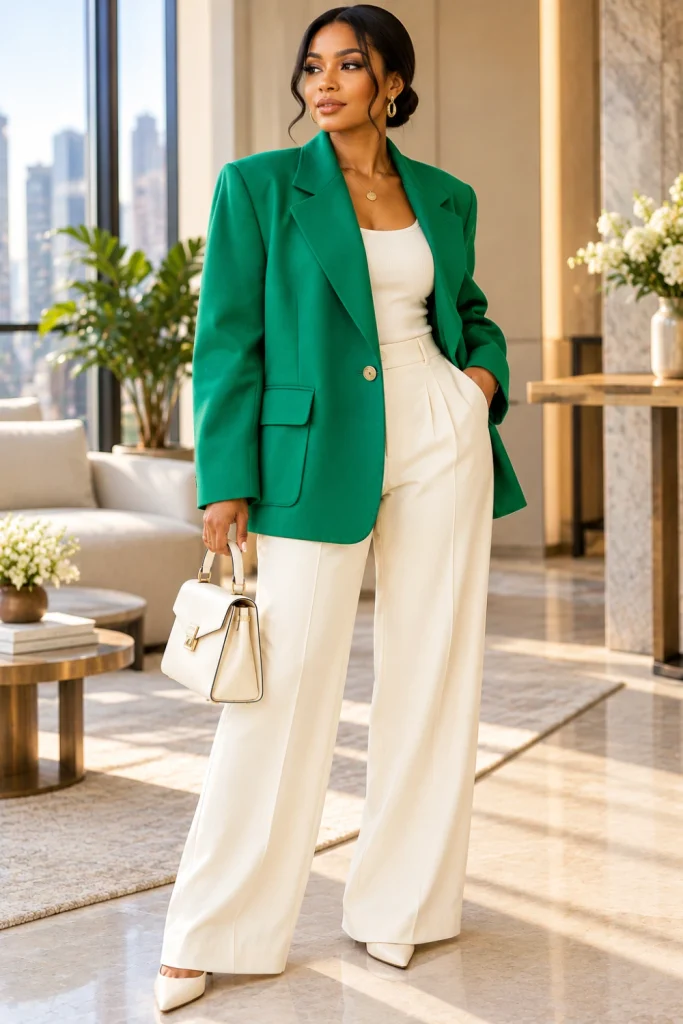
The oversized blazer remains a useful wardrobe staple because it blends tailoring with an effortless feel.
A relaxed shoulder and generous body create that modern borrowed-from-the-closet effect.
Simple Steps:
- Select a relaxed blazer pattern with extra ease through the chest and waist.
- Extend the shoulder line slightly for a softer silhouette.
- Use lightweight shoulder support rather than very firm padding.
- Sew roomy sleeves that taper gently toward the cuff.
- Add large practical pockets for a relaxed, contemporary appearance.
- Finish with a full lining for easier layering.
One Tip: The oversized body should be intentional; keep the sleeve length and shoulder placement controlled so the blazer still looks tailored.
4. Longline Belted Blazer
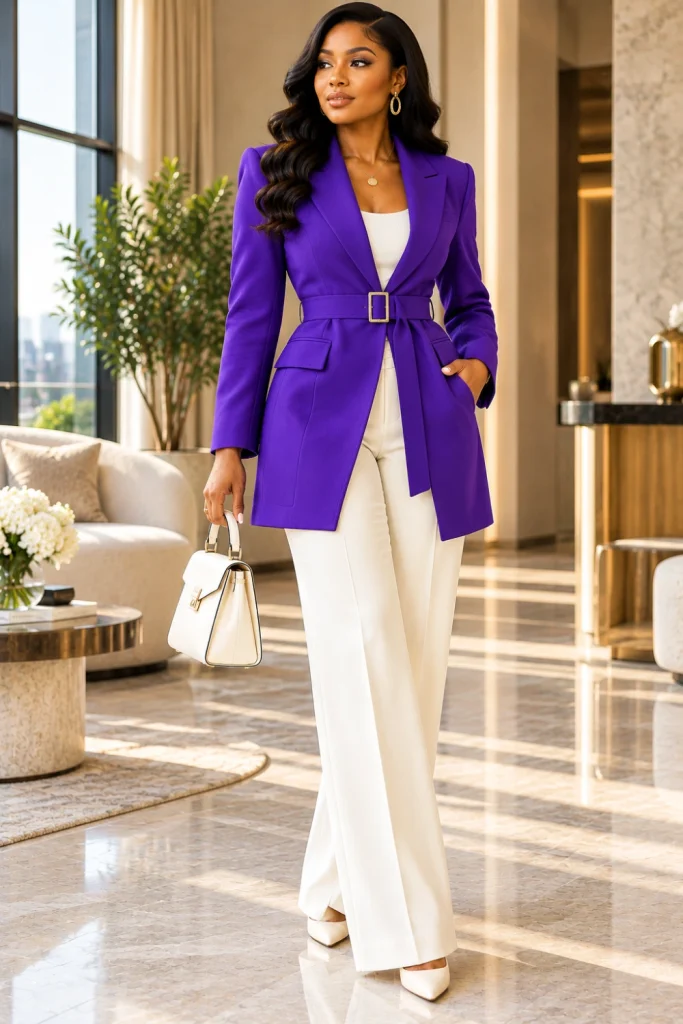
A longer hem instantly gives this silhouette an elegant, streamlined appearance.
The waist belt introduces shape and makes the design feel polished without relying on a fitted construction.
Simple Steps:
- Extend a basic blazer pattern below the hip toward the upper thigh.
- Keep the front panels clean and vertically aligned.
- Add a detachable belt or integrated waist tie.
- Create a slightly longer back vent for comfortable movement.
- Use interfacing along the front, lapels, and belt area.
- Press the completed garment carefully to sharpen the long vertical lines.
One Tip: A belt in matching fabric creates a sleek monochrome effect, while a contrasting belt can make the waist the visual focal point.
5. Single-Breasted Notched-Lapel Blazer
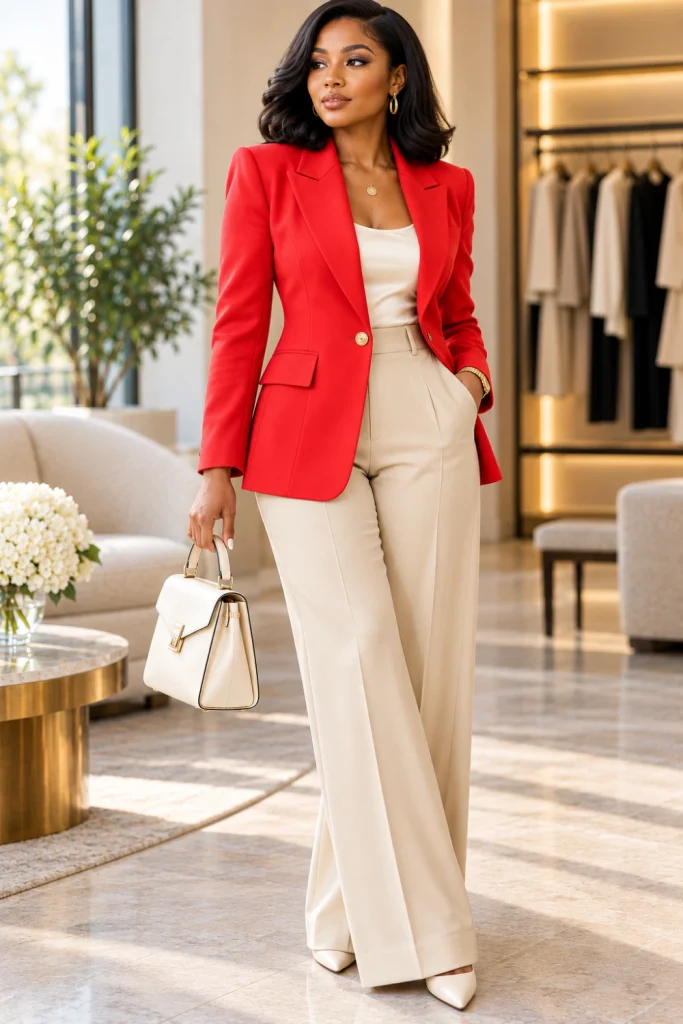
Simple does not have to mean boring.
The single-breasted notched-lapel blazer is an adaptable foundation that can be customized through fabric, buttons, pocket placement, and sleeve details.
Simple Steps:
- Choose a classic single-button, two-button, or three-button front.
- Draft a balanced notched lapel with clean angles.
- Add darts or seams to create a comfortable fitted shape.
- Sew welt, flap, or patch pockets according to the desired style.
- Insert sleeves and refine the cuff length.
- Line the blazer and give all finished edges a final press.
One Tip: Spend extra time shaping the lapel; a smooth roll and crisp notch can make a basic blazer look remarkably expensive.
6. Sleeveless Vest-Style Tailored Blazer
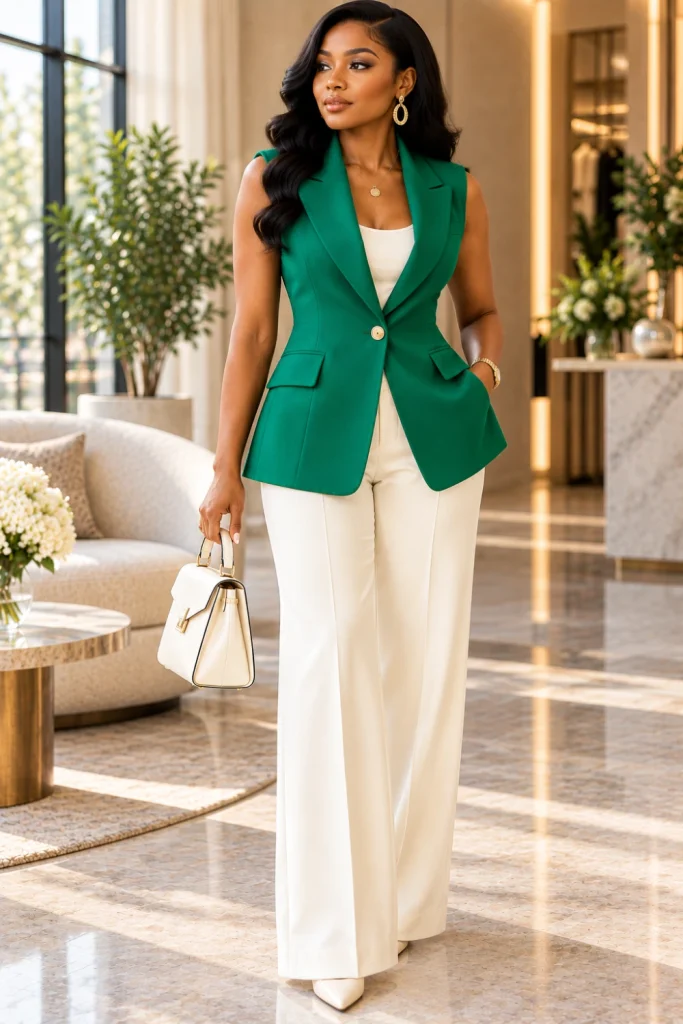
This sleeveless version brings blazer tailoring into a lighter, more versatile format.
It can be worn over shirts, dresses, fitted tops, or even layered beneath a coat when temperatures drop.
Simple Steps:
- Remove the sleeves from a fitted blazer pattern.
- Refine the armhole so it sits smoothly without gaping.
- Add a clean facing or full lining around the armholes.
- Keep the shoulder seam structured for a tailored appearance.
- Add buttons, welt pockets, or a belt depending on the look.
- Press the edges carefully to maintain a sharp vest-like shape.
One Tip: Use a slightly softer fabric if you want the vest to drape rather than resemble a stiff traditional suit jacket.
7. Asymmetric Buttoned Tailored Blazer
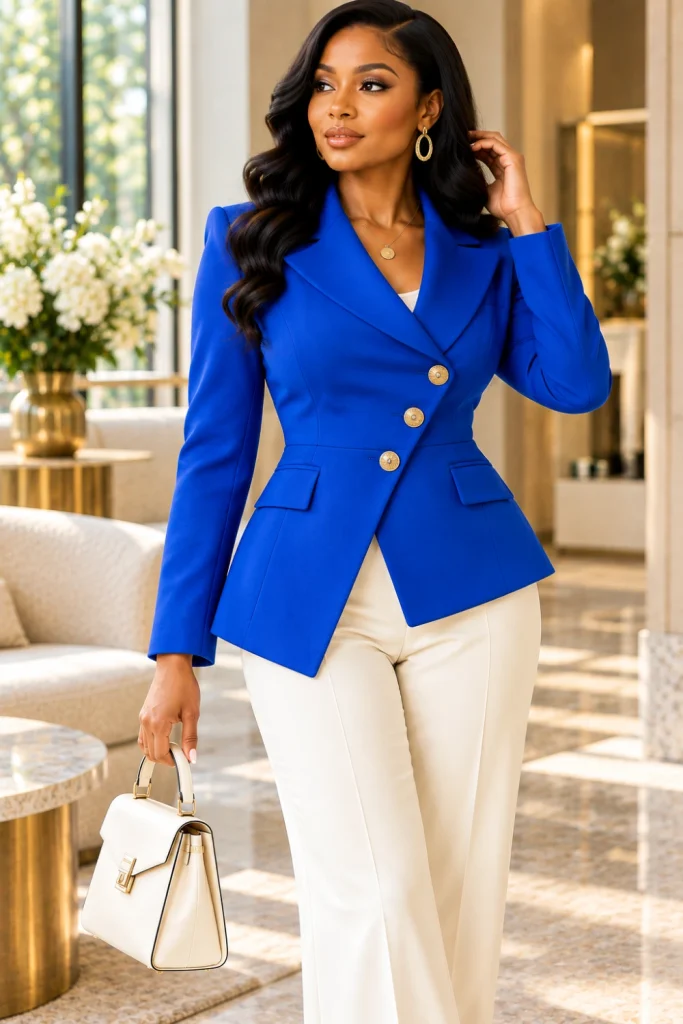
An asymmetric front gives traditional tailoring a creative twist.
Offset buttons, an angled closure, or an uneven lapel can turn a familiar blazer shape into a standout fashion piece.
Simple Steps:
- Begin with a fitted or semi-fitted blazer base.
- Redraw the front closure on a diagonal or offset line.
- Adjust the facing to match the new front shape.
- Position buttons and buttonholes carefully along the asymmetric edge.
- Keep the shoulders and side seams balanced.
- Add a simple lining so the unusual front construction remains the star.
One Tip: Mark every button and closure point on the pattern before cutting fabric; symmetry elsewhere makes asymmetry look deliberate.
8. Shawl-Collar Statement Tailored Blazer
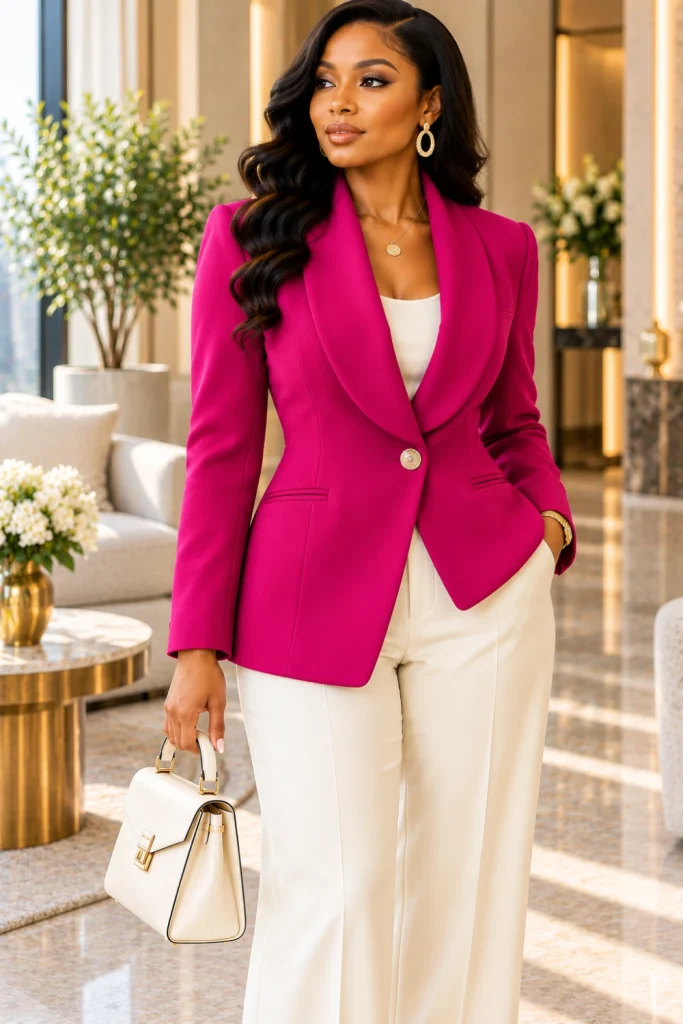
The smooth curve of a shawl collar instantly makes a blazer feel refined and dramatic.
This design works especially well for evening outfits, elevated workwear, and special occasions.
Simple Steps:
- Adapt a tailored bodice with a wide shawl-collar neckline.
- Interfuse the collar and facing to give it body.
- Cut the collar carefully along the fabric grain or required bias direction.
- Sew the collar into the neckline with controlled easing.
- Add clean welt pockets or keep the lower front minimal.
- Line the garment and press the curved collar gradually.
One Tip: Use a steam iron and tailor’s ham when shaping the collar curve so it follows the neckline smoothly without sharp creases.
9. Fitted Tailored Blazer With Flared Peplum
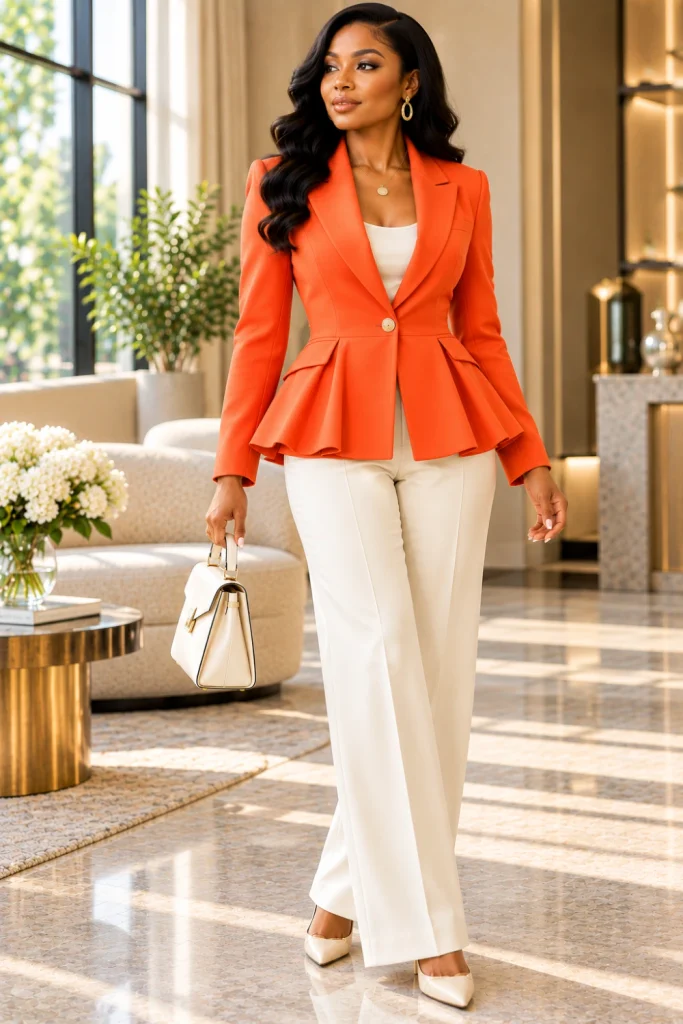
This silhouette brings together sharp tailoring and soft volume.
The fitted upper body creates structure, while the flared peplum gives the lower portion an eye-catching finish.
Simple Steps:
- Begin with a fitted blazer bodice designed to follow the waist.
- Add a seam at the waist for the peplum attachment.
- Draft a wider flared peplum for a dramatic silhouette.
- Stabilize the waist seam so it does not stretch.
- Attach sleeves with moderate shoulder structure.
- Finish with a lining and press the peplum over a rounded surface.
One Tip: Check the peplum from the front, side, and back before hemming to ensure the flare hangs evenly all around.
10. Minimalist High-Low Hem Tailored Blazer
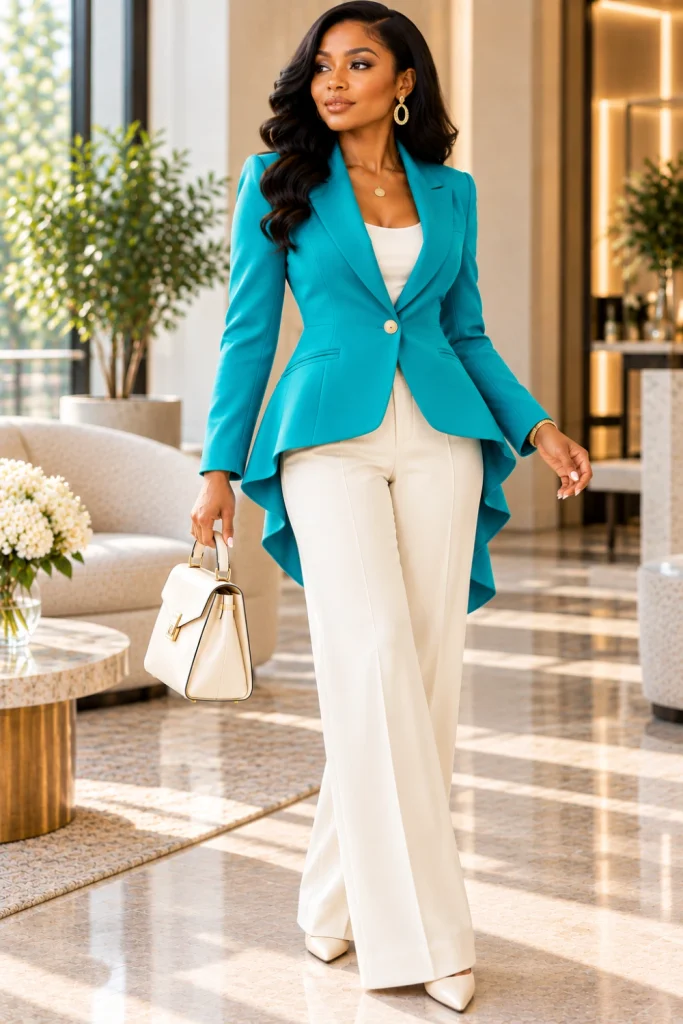
A high-low hem introduces subtle drama without complicated decoration.
The shorter front and longer back create movement while keeping the overall construction clean and sophisticated.
Simple Steps:
- Start with a minimalist single-breasted blazer pattern.
- Raise the front hem slightly and extend the back hem gradually.
- Keep pockets and buttons understated.
- Use interfacing to stabilize the front and hem edges.
- Sew the lining carefully so it does not pull against the uneven hem.
- Finish by pressing the hemline with a smooth, continuous curve.
One Tip: Try the unfinished blazer on before hemming because the final high-low balance can change slightly depending on your fabric’s drape.
Final Thoughts
The best blazer sewing projects usually come down to fit, structure, and finishing rather than excessive decoration.
A beautiful fabric can help, but accurate measurements and careful pressing will make an even bigger difference.
Before cutting your final fabric:
- Make a test version from inexpensive fabric.
- Check the shoulder, bust, waist, sleeve, and hip measurements.
- Mark the grainline and button positions clearly.
- Transfer all darts, notches, and seam markings accurately.
- Use interfacing where the pattern requires stability.
- Press seams throughout construction instead of leaving all pressing until the end.
For a more polished result:
- Match the interfacing weight to the fabric.
- Stay-stitch curved or bias edges to prevent stretching.
- Press with a pressing cloth when the fabric is delicate.
- Test buttonholes on a fabric scrap first.
- Consider lining for a smoother drape and cleaner interior.
These 10 silhouettes also make excellent starting points for customization.
A classic blazer can become more distinctive through sleeve shape, pocket design, fabric texture, hemline changes, buttons, or waist treatment.
That flexibility is what makes tailored sewing projects so satisfying: one reliable pattern can become several completely different wardrobe pieces.