Want a fresher-looking face without expensive treatments? These simple facial massage techniques can help you make the most of your morning skincare routine.
Introduction
Waking up with puffy eyes, fuller cheeks, or a swollen-looking jawline can be frustrating, especially when you want to look refreshed.
The good news?
A gentle facial massage for puffiness may temporarily improve the appearance of fluid-related swelling.
In this guide, you’ll discover 10 easy face massage techniques, beginner-friendly steps, skincare tips, and common mistakes to avoid for a soothing at-home routine.
1. How to Reduce Facial Puffiness With a Simple 5-Minute Massage
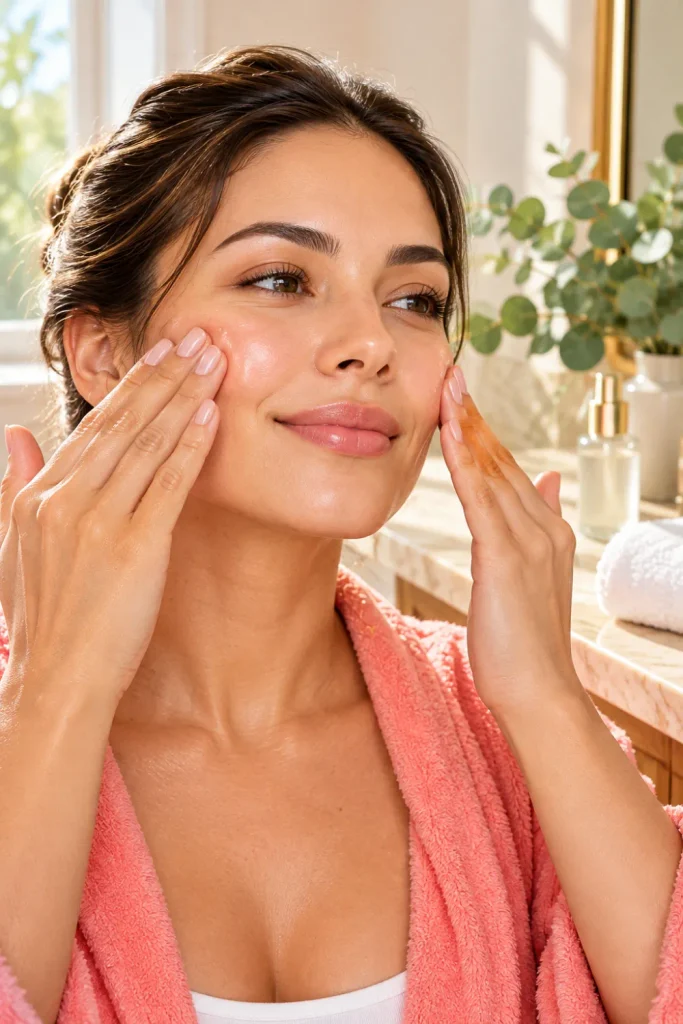
A quick facial massage can become a relaxing part of your morning routine.
Gentle movements may help temporarily reduce fluid-related puffiness while leaving your skin feeling refreshed.
Simple steps:
- Prepare your skin: Wash your hands and face, then apply a little moisturizer or facial serum to reduce friction.
- Massage your cheeks: Using your fingertips, sweep lightly from the center of your cheeks outward toward your ears.
- Finish your neck: Glide gently down the sides of your neck toward your collarbones.
Keep the entire routine relaxed rather than vigorous. Aim for slow movements and light pressure.
Tip: Set a five-minute timer to prevent rushing or pressing too hard.
2. Under-Eye Puffiness Massage: Gentle Steps for a Fresher Look
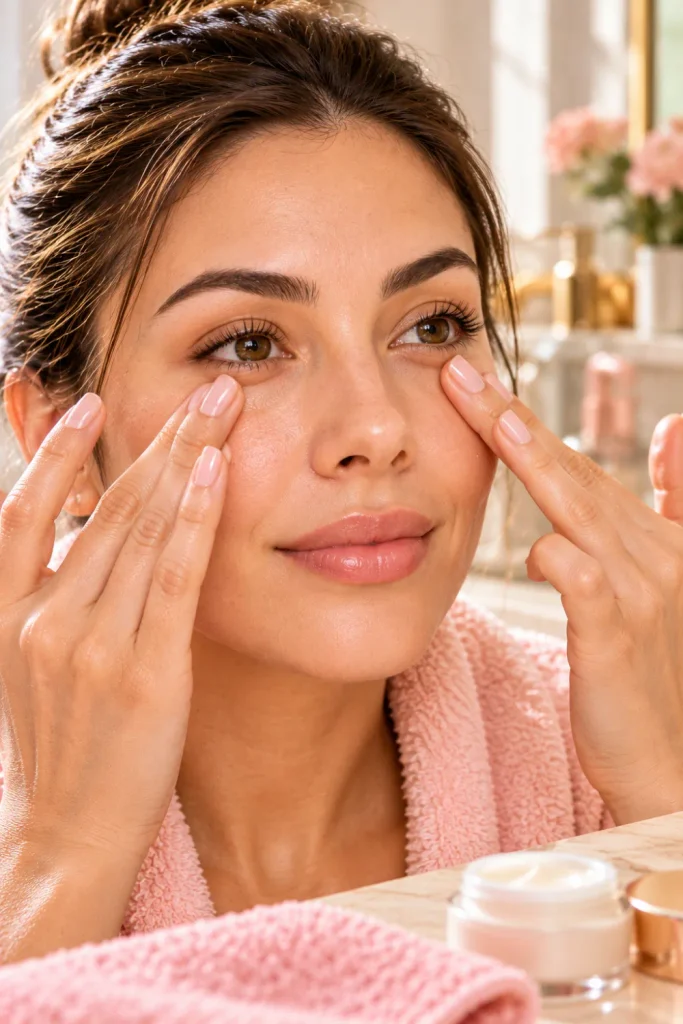
Under-eye puffiness can result from fluid retention, allergies, genetics, or normal aging.
Because the skin around your eyes is delicate, gentle treatment is essential.
Massage may help with temporary fluid-related puffiness, but it cannot remove permanent under-eye bags.
Simple steps:
- Apply a small amount of eye moisturizer suitable for your skin.
- Using your ring fingers, gently tap along the orbital bone beneath your eyes, moving from the inner area outward.
- Finish with a cool, damp washcloth over closed eyes for a few minutes.
Avoid pressing directly on your eyeballs or stretching the delicate skin.
Tip: For additional guidance, read the Mayo Clinic’s advice on under-eye bags.
3. Lymphatic Drainage Facial Massage for Beginners at Home
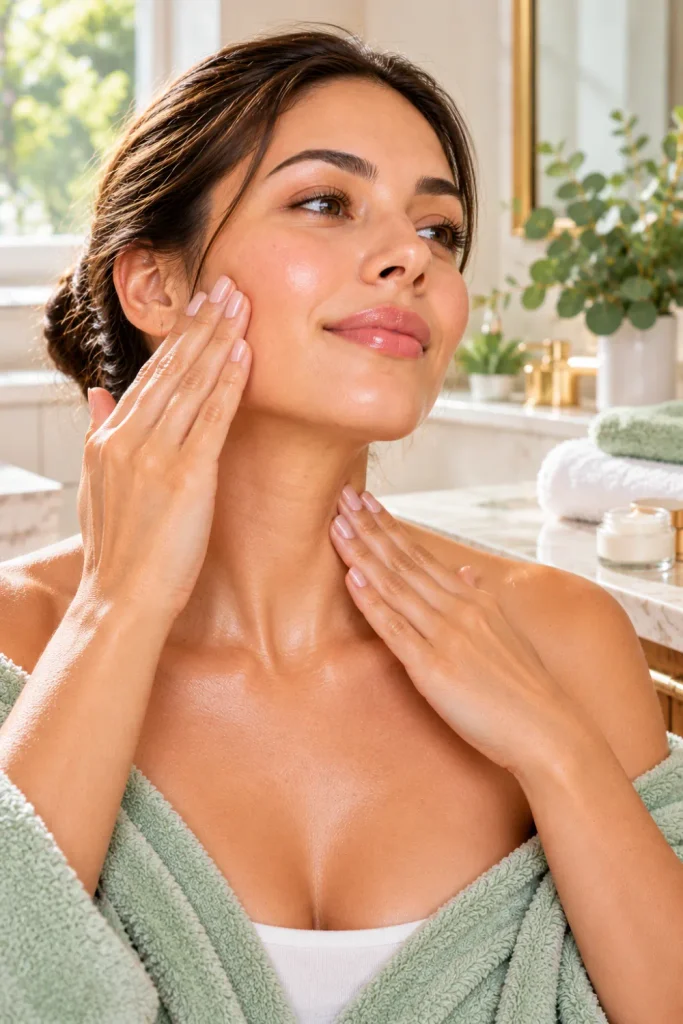
Lymphatic drainage massage uses very light movements intended to encourage fluid movement through the lymphatic system.
It is different from deep-tissue facial massage, so more pressure is not better.
Results vary, and some people may notice little difference.
Simple steps:
- Take a few slow breaths and place your fingertips gently above your collarbones.
- Use light, comfortable strokes along the sides of your neck, moving downward toward your collarbones.
- Sweep gently across your cheeks toward your ears, then continue with light downward strokes along the sides of your neck.
Keep the skin movements subtle. Stop if anything feels uncomfortable.
Tip: Follow the Cleveland Clinic’s lymphatic drainage self-massage guide for additional instructions and precautions.
4. Face Massage for a Puffy Jawline and Cheeks: Easy Daily Steps
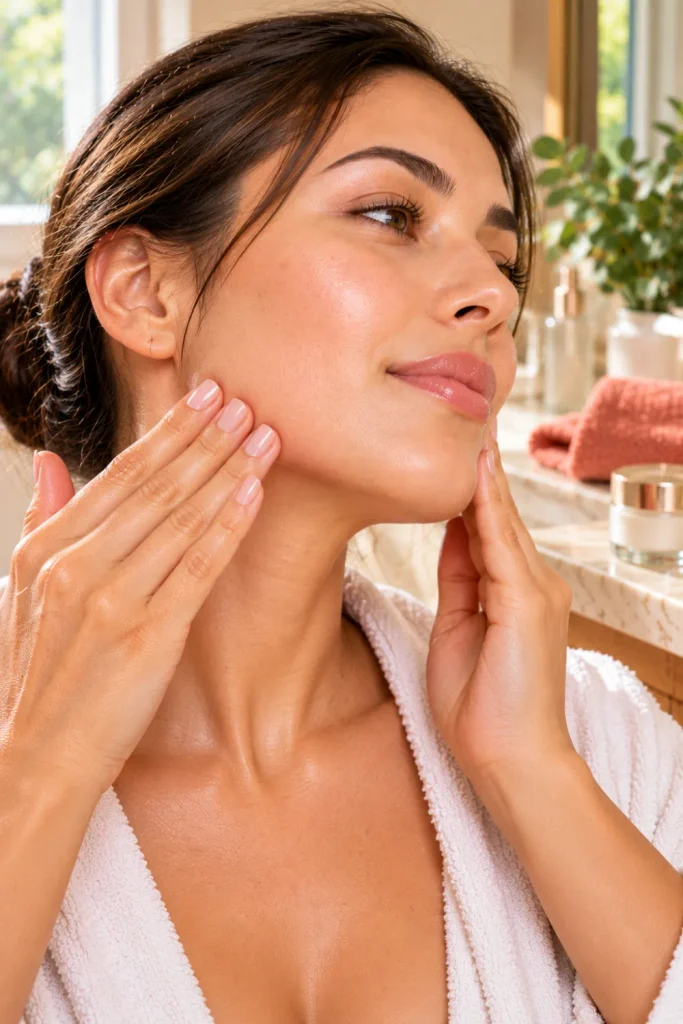
If your cheeks look fuller after sleeping, a gentle massage may help improve the temporary appearance of fluid-related puffiness.
Remember that massage cannot permanently reshape your jawline or remove facial fat.
Simple steps:
- Place your fingertips beside your chin and glide outward along your jawline toward your ears.
- Gently sweep from the sides of your nose across your cheeks toward your temples.
- Finish with light downward strokes along the sides of your neck.
Repeat each movement a few times without tugging the skin.
Tip: Use a mirror to check your pressure and keep your movements even on both sides of your face.
5. Face and Neck Massage Routine to Help Reduce Morning Puffiness
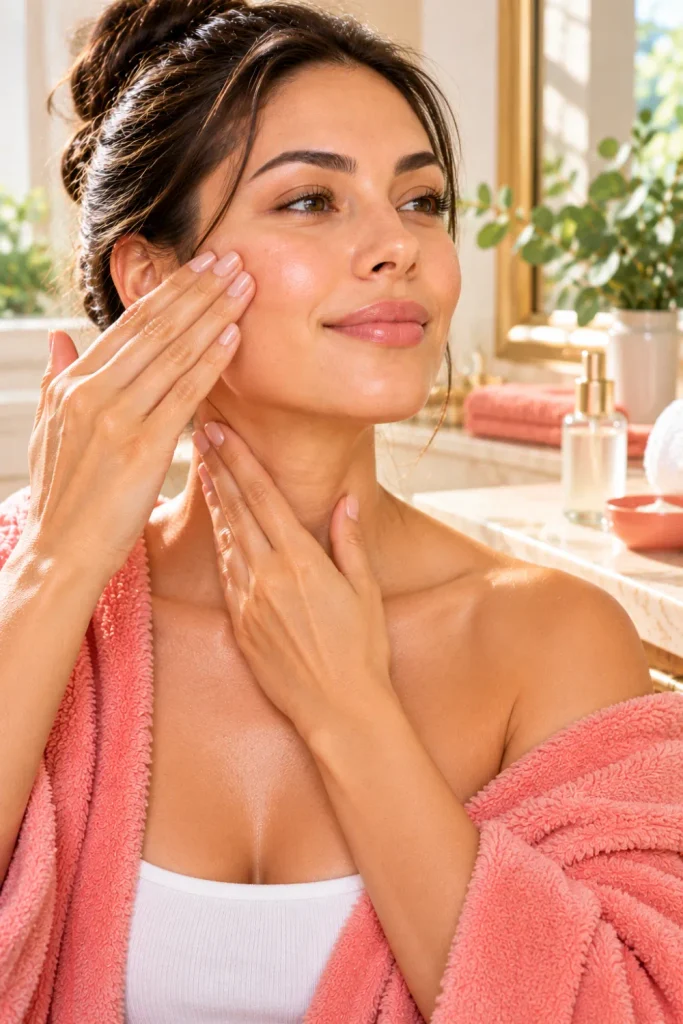
Morning puffiness may be more noticeable after a salty evening meal, poor sleep, or temporary fluid retention.
A short face-and-neck routine can complement other healthy habits.
Simple steps:
- Sit upright and take three slow breaths to relax your shoulders.
- Massage from the center of your cheeks outward toward your ears using soft, sweeping motions.
- Move down the sides of your neck toward your collarbones with gentle strokes.
Finish with your usual moisturizer and sunscreen if you are heading outdoors.
Tip: Consider sleeping with your head slightly elevated if morning puffiness is frequent. Avoid excessive salt, and aim for consistent, restful sleep.
6. Facial Roller Massage for Puffiness: How to Use It Correctly
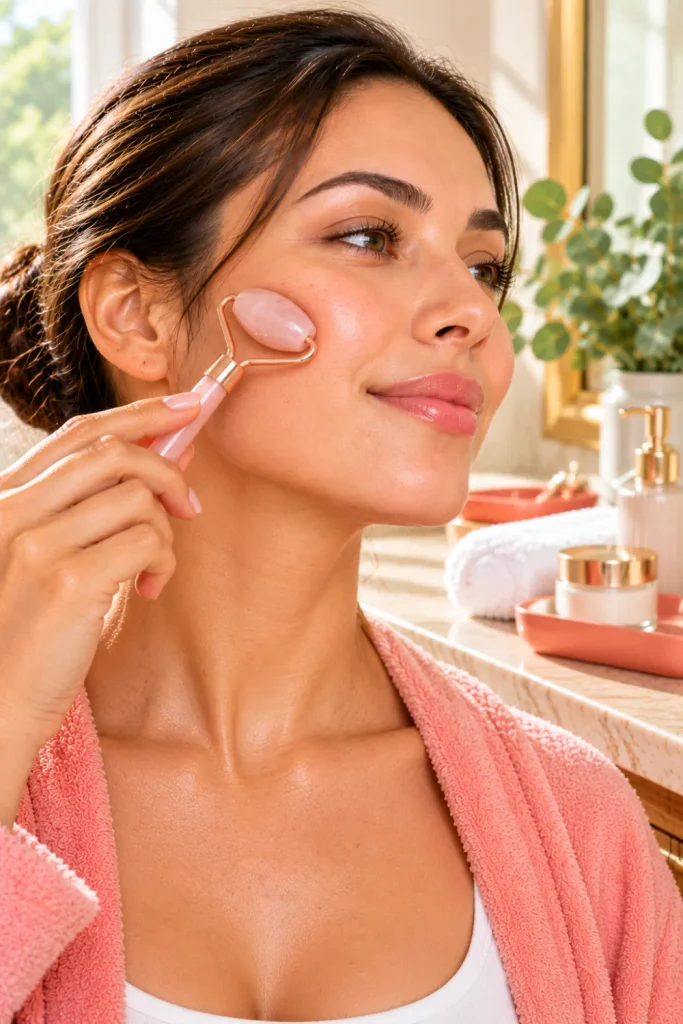
A facial roller can make skincare feel more relaxing, but you do not need a luxury jade or rose-quartz tool.
A clean roller that glides comfortably is enough.
Rolling may temporarily improve the appearance of puffiness, especially when the tool feels cool.
Simple steps:
- Clean your roller before use and apply moisturizer to freshly cleansed skin.
- Roll lightly outward across your cheeks and forehead, avoiding pressure around the eyes.
- Use short, gentle strokes along the jawline, then clean the roller according to the manufacturer’s directions.
Do not drag the tool over dry skin or active breakouts.
Tip: Chilling your roller in the refrigerator can provide a cooling sensation. Never use a frozen tool directly on your skin.
7. Morning Face De-Puffing Routine: Massage and Simple Skincare Tips
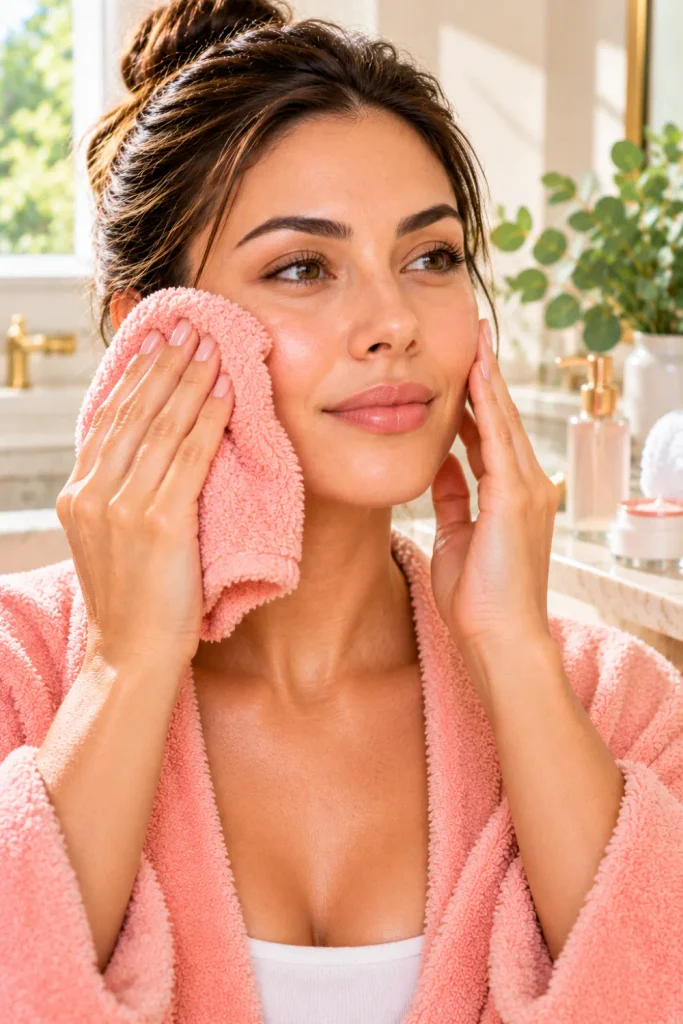
A good de-puffing routine does not need a crowded bathroom shelf.
Combining gentle massage with simple skincare and a cooling compress can help your face look more refreshed.
Simple steps:
- Cleanse your face with a gentle cleanser suited to your skin type.
- Apply a cool, damp washcloth to puffy areas for a few minutes.
- Follow with a light facial massage, moisturizer, and broad-spectrum sunscreen during your daytime routine.
Choose products that feel comfortable and do not sting or irritate your skin.
Tip: Introduce new skincare products one at a time so you can identify anything that triggers redness or irritation.
8. Facial Massage Mistakes That Can Make Puffiness and Irritation Worse
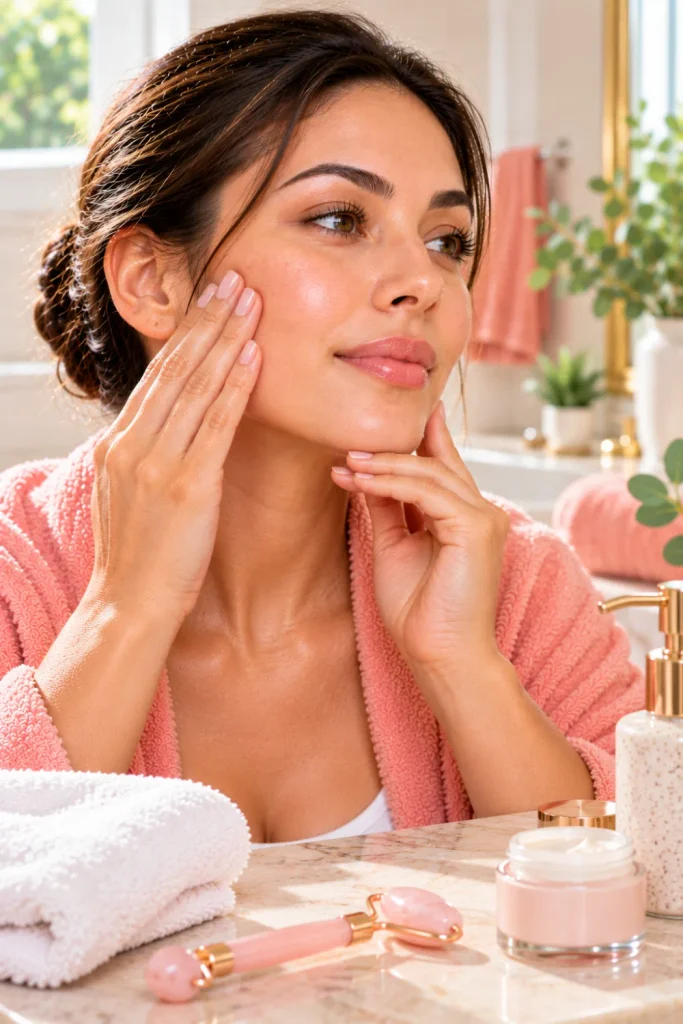
Facial massage should feel soothing, not painful.
Rough techniques can irritate sensitive skin, worsen redness, and create unnecessary friction.
Avoid treating sudden or unexplained swelling as a cosmetic problem.
Simple steps:
- Reduce pressure: Use your fingertips rather than digging your knuckles into your cheeks.
- Avoid irritated skin: Skip massage over sunburn, open wounds, active skin infections, or painful swelling.
- Keep tools clean: Wash rollers regularly and never share facial tools without proper cleaning.
Avoid massage after cosmetic procedures until your treating professional confirms it is safe. Ask a healthcare professional before trying lymphatic drainage if you have a medical condition that could make it unsuitable.
Tip: Stop immediately if you experience pain, burning, increased redness, or worsening swelling.
9. Facial Massage for Puffiness Without Expensive Skincare Tools
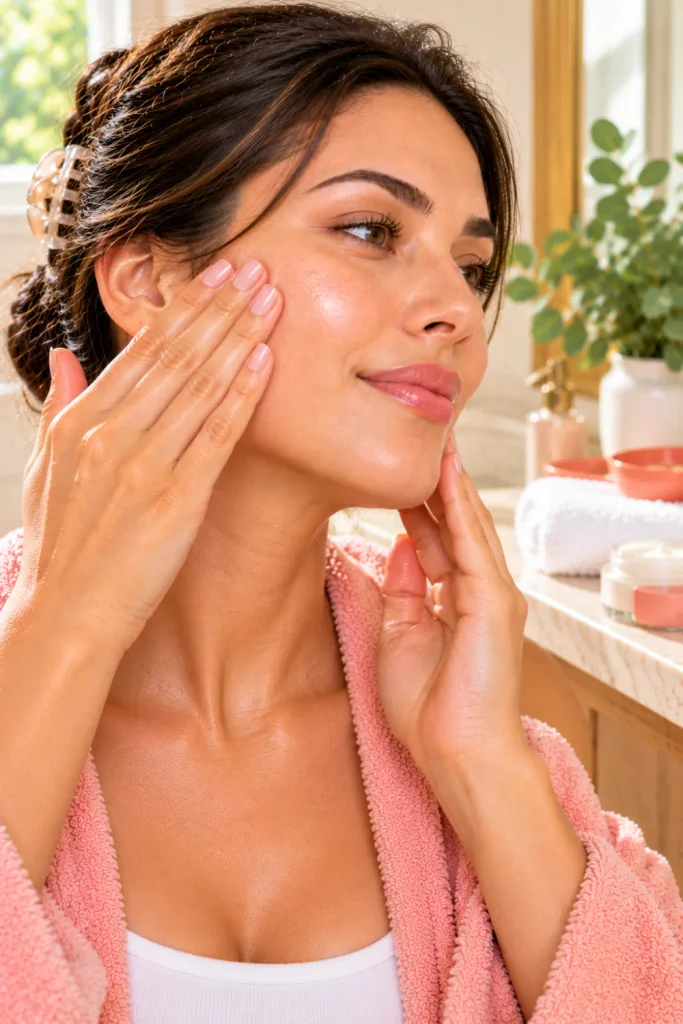
You can create a simple at-home facial massage routine using only clean hands.
This is a practical option if you prefer minimalist skincare or do not want to invest in rollers and other beauty gadgets.
Simple steps:
- Wash your hands thoroughly and cleanse your face.
- Apply a small amount of moisturizer to help your fingers glide smoothly.
- Use light outward sweeps across your cheeks and forehead, finishing with gentle strokes down the sides of your neck.
Move slowly and avoid pulling or pinching your skin. The goal is comfort, not an intense workout for your face.
Tip: Pair your massage with a cool compress if your skin feels puffy after waking up. A few minutes may be enough for a simple morning ritual.
10. Daily Facial Massage for Puffiness: What Works and What to Expect
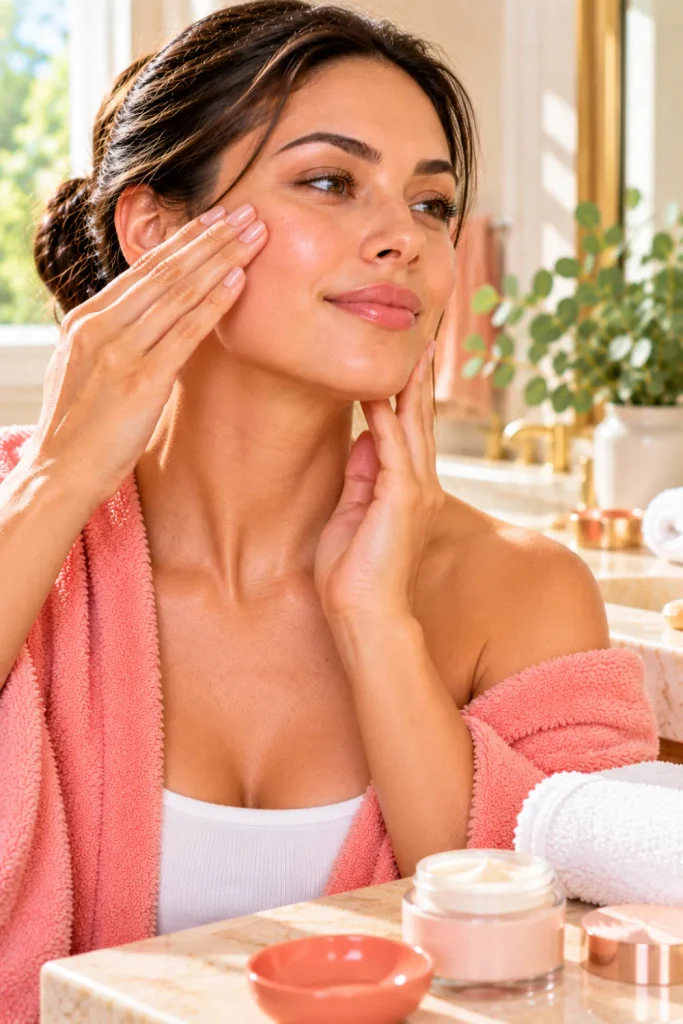
Consistency can make a skincare routine easier to maintain, but daily massage is not a guaranteed solution for facial swelling.
It may temporarily help with fluid-related puffiness, while genetics, aging, allergies, and other causes require different approaches.
Simple steps:
- Start with two to five minutes of gentle massage when your skin is calm.
- Notice whether your puffiness improves, stays the same, or becomes worse.
- Adjust your routine according to your skin’s response, and stop if irritation develops.
Persistent or recurring swelling deserves attention rather than increasingly vigorous massage.
Tip: Track sleep, salty meals, allergies, and morning puffiness for a week. This may help you notice patterns worth discussing with a healthcare professional.
Final Thoughts
Learning how to reduce facial puffiness with a simple massage does not require expensive tools or a complicated skincare routine.
Gentle facial massage, a cool compress, consistent sleep, and sensible skincare may help you achieve a temporarily fresher appearance.
Keep these important points in mind:
- Be gentle: More pressure does not mean better results.
- Set realistic expectations: Massage cannot remove permanent under-eye bags, eliminate facial fat, or replace medical treatment.
- Listen to your skin: Stop if you notice pain, irritation, or worsening swelling.
- Know when to seek help: Contact a healthcare professional for persistent, unexplained, or worsening facial swelling. Sudden severe swelling, especially with difficulty breathing or throat tightness, requires emergency medical attention.
For more reliable guidance, explore the Cleveland Clinic’s facial massage instructions, the Mayo Clinic’s under-eye care recommendations, and MedlinePlus information about facial swelling.
The best routine is one that feels comfortable, supports your skin, and fits naturally into your day.
Start gently, stay consistent with healthy habits, and remember that a refreshed appearance does not require a perfect face.