Want to make a handmade garment look instantly more polished?
These Stylish Sleeve Designs With Sewing Patterns for 2026 bring volume, movement, and personality to everyday sewing projects.
From romantic puff sleeves to relaxed kimono shapes, this list offers practical inspiration for dresses, blouses, and tops.
You’ll get simple construction ideas, styling suggestions, and useful sewing tips to help turn basic patterns into standout pieces.
1. Puff Sleeve Sewing Patterns
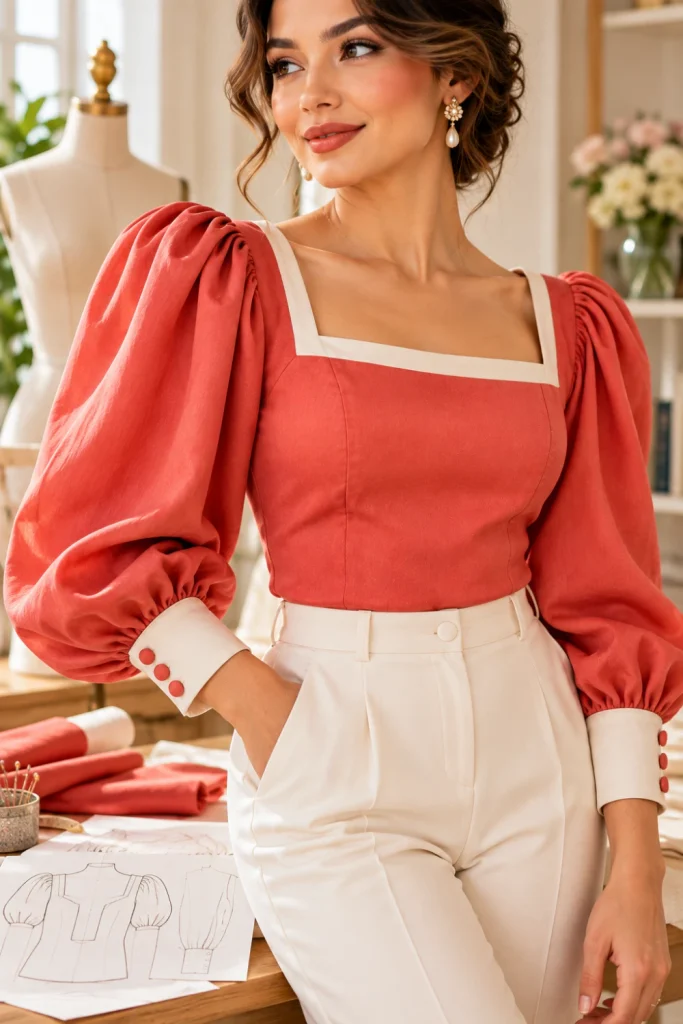
Puff sleeves are still a beautiful way to add feminine volume without making an outfit feel dated.
The gathered shoulder creates a soft silhouette that works especially well with clean necklines, fitted bodices, and modern fabrics.
Simple steps:
- Choose a basic sleeve pattern with enough width for gathering.
- Add controlled fullness around the sleeve cap.
- Gather the fabric evenly before attaching it to the armhole.
- Finish with a narrow cuff, elastic, or clean hem.
Styling idea: Pair a dramatic puff sleeve with a streamlined skirt or tailored trousers. The contrast keeps the outfit balanced.
One tip: Use lightweight cotton, linen blends, or rayon when you want softer gathers rather than stiff volume.
2. Bishop Sleeve Sewing Patterns
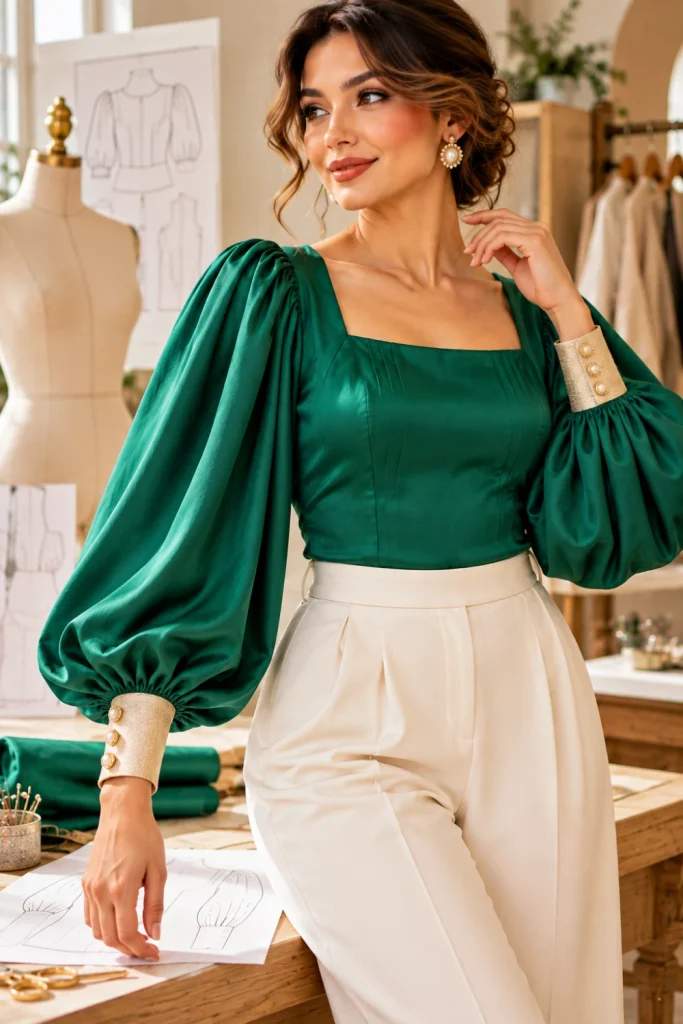
Bishop sleeves bring elegant movement through generous fabric gathered into a cuff.
They can make a simple blouse feel considerably more sophisticated while remaining practical enough for everyday styling.
Simple steps:
- Start with a straight or slightly tapered sleeve block.
- Add width through the sleeve body.
- Extend the length if you want extra drape.
- Gather the lower edge into a cuff.
- Attach buttons, snaps, or a narrow closure.
Styling idea: A bishop sleeve looks especially refined with high-waisted jeans, wide-leg trousers, or a simple midi skirt.
One tip: Don’t over-gather the cuff. Too much fullness can hide the shape of the hand and make the sleeve feel bulky.
3. Bell Sleeve Sewing Patterns
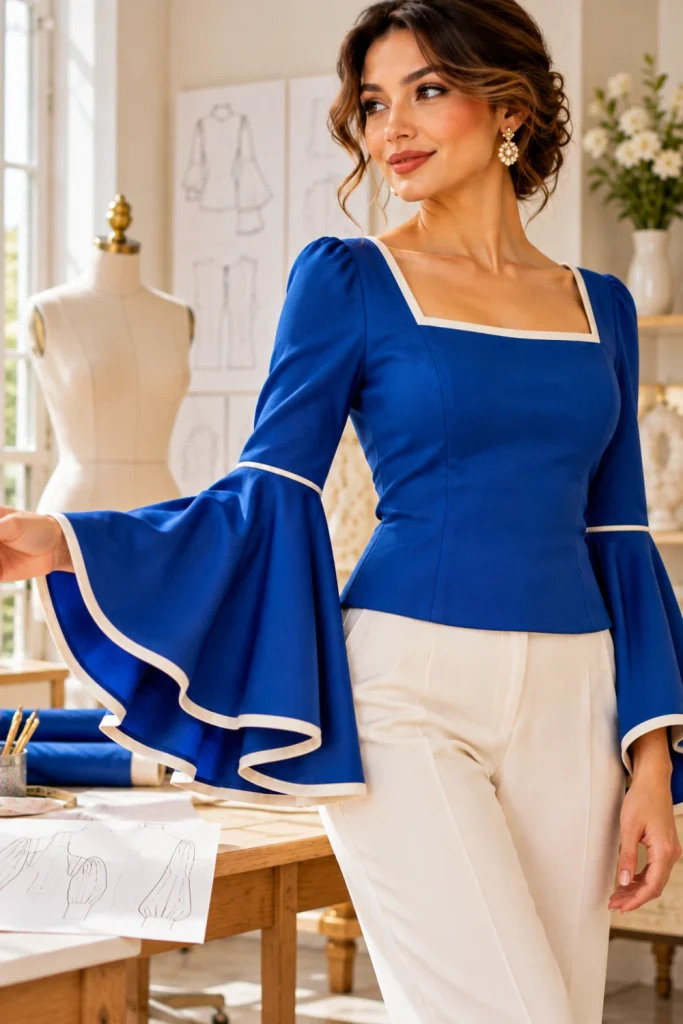
Bell sleeves flare gradually toward the opening, creating movement with every step.
The shape can be subtle for everyday tops or exaggerated for a more fashion-forward sewing project.
Simple steps:
- Begin with a fitted sleeve block.
- Mark the point where the flare should begin.
- Spread the lower sleeve section evenly.
- Redraw the hem into a smooth curve.
- Finish with a narrow hem or facing.
Styling idea: Keep the rest of the garment relatively clean. A simple fitted bodice lets the bell sleeve become the focal point.
One tip: Test the flare in inexpensive fabric first. Small changes to the opening can dramatically change the final silhouette.
4. Balloon Sleeve Sewing Patterns
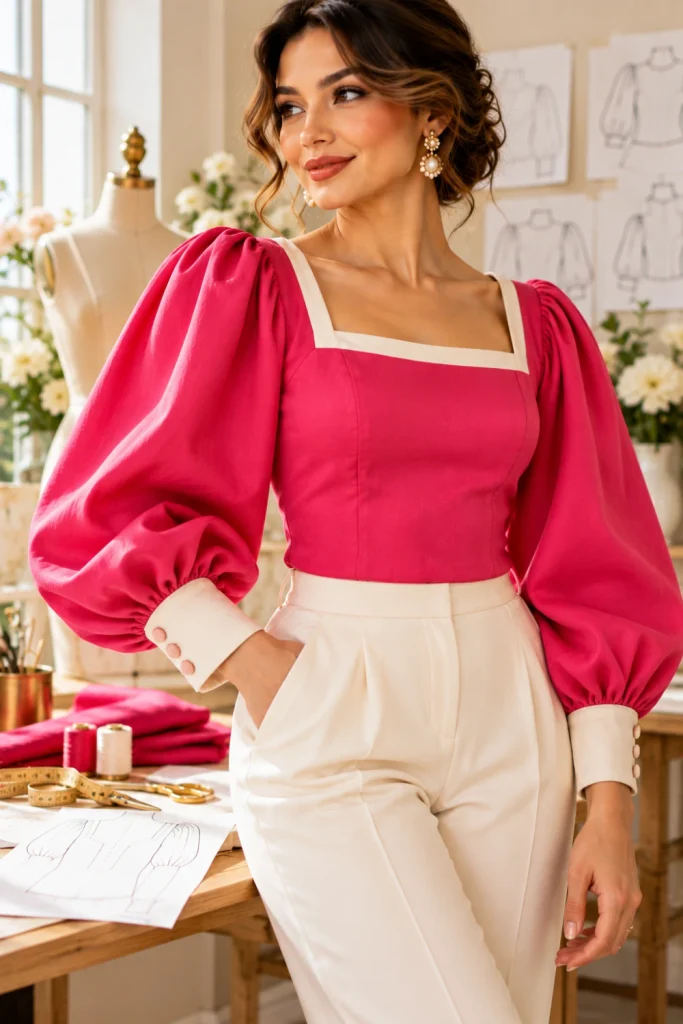
Balloon sleeves create rounded volume between the shoulder and cuff, giving even a simple blouse a contemporary silhouette.
They are particularly effective when paired with minimalist garment details.
Simple steps:
- Start with a basic sleeve pattern.
- Add width through the center of the sleeve.
- Shape the fullness into a rounded silhouette.
- Gather or pleat the sleeve into the cuff.
- Press the finished sleeve carefully.
Styling idea: Try a balloon sleeve in crisp cotton with a simple square neckline for a clean, architectural look.
One tip: Choose a fabric with enough structure to support the rounded shape without becoming excessively stiff.
5. Flutter Sleeve Sewing Patterns
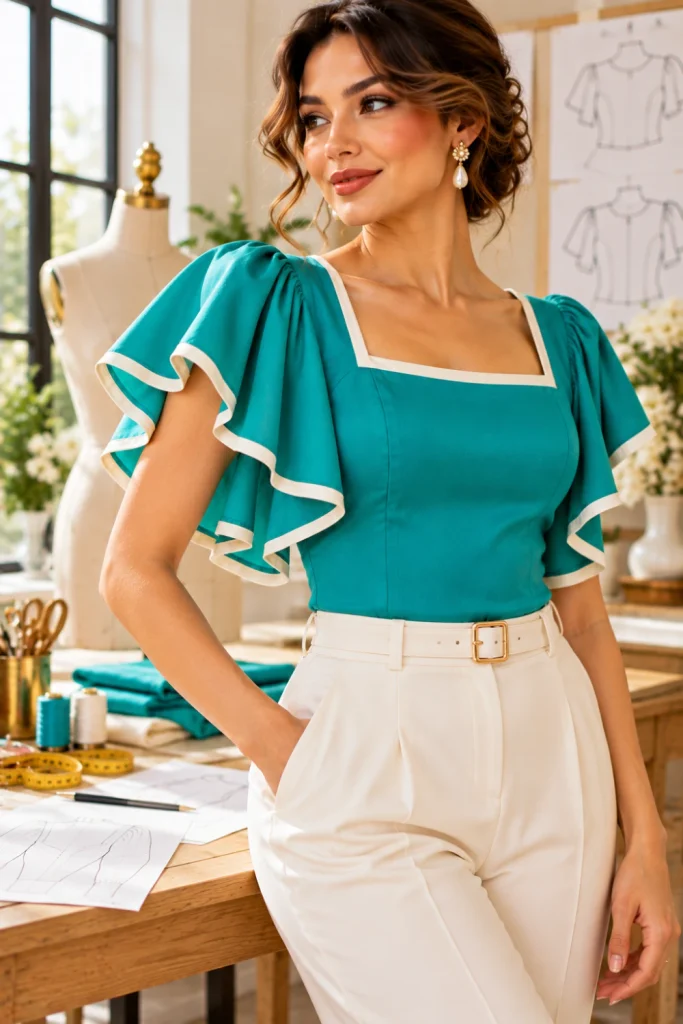
Flutter sleeves are lighter and more delicate than many of the dramatic styles on this list.
Their softly flared shape creates movement around the shoulder while keeping the garment comfortable and easy to wear.
Simple steps:
- Use a basic short-sleeve pattern as your starting point.
- Create a wider, curved sleeve shape.
- Extend the hem into a gentle arc.
- Cut the fabric carefully along the grain or appropriate bias direction.
- Finish the edge with a narrow hem.
Styling idea: Flutter sleeves work beautifully on summer dresses, relaxed blouses, and soft romantic tops.
One tip: Lightweight fabrics such as chiffon, crepe, rayon, or soft cotton create the prettiest movement.
6. Lantern Sleeve Sewing Patterns
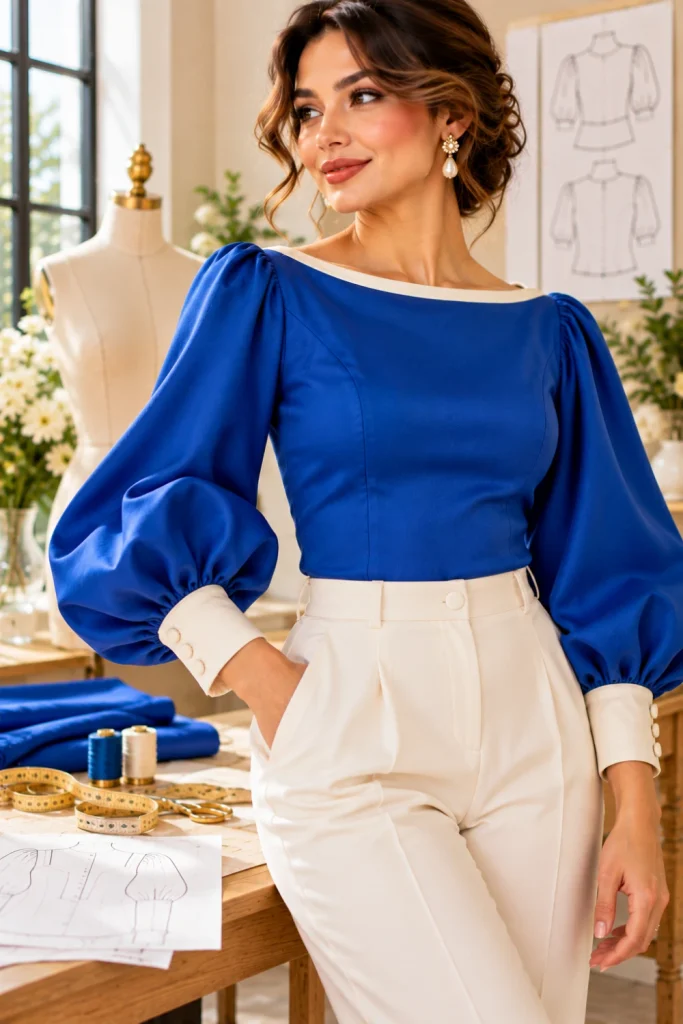
Lantern sleeves have a sculptural quality that makes them especially interesting for modern sewing.
Their rounded construction can turn an otherwise simple blouse or dress into something that looks thoughtfully designed.
Simple steps:
- Begin with a standard sleeve block.
- Divide the sleeve into sections for controlled shaping.
- Add fullness through the middle.
- Shape the upper and lower sections carefully.
- Secure the volume with cuffs or structured hems.
Styling idea: Think of this sleeve as the clothing equivalent of an architectural interior detail: distinctive, but most effective when surrounded by clean lines.
One tip: Press each seam as you construct the sleeve. Sculptural designs depend heavily on accurate pressing.
7. Leg-of-Mutton Sleeve Sewing Patterns
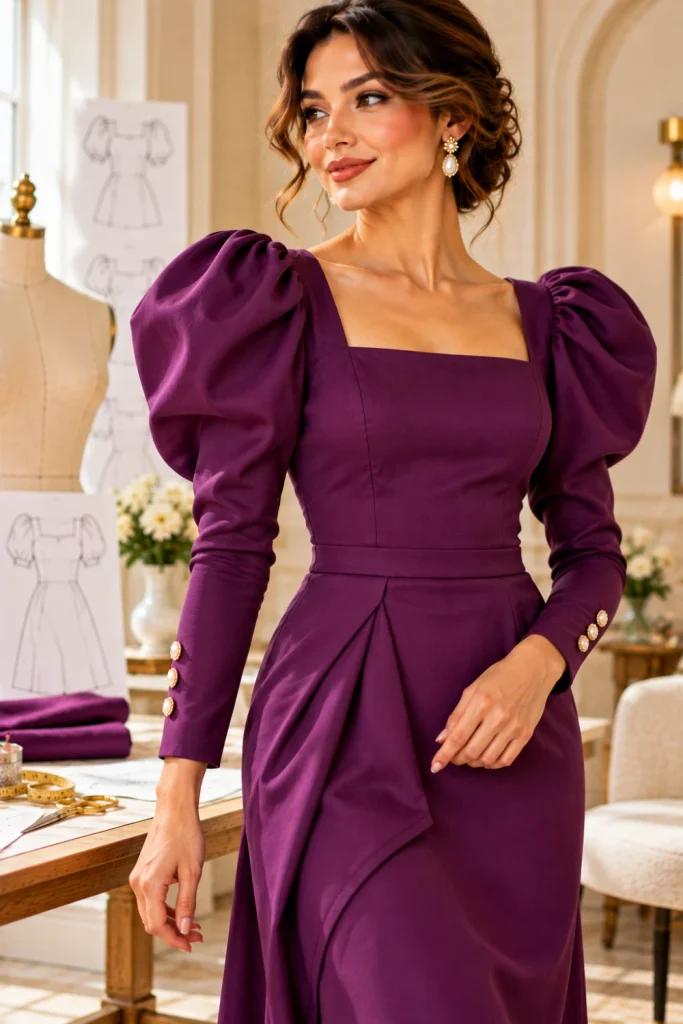
Leg-of-mutton sleeves combine dramatic upper-arm volume with a narrower forearm.
The result has a vintage character, but modern fabric choices and simpler garments can make it feel surprisingly fresh.
Simple steps:
- Start with a fitted sleeve block.
- Add significant fullness around the upper sleeve.
- Keep the lower sleeve comparatively narrow.
- Gather, pleat, or ease the upper section.
- Finish the wrist with a fitted cuff.
Styling idea: Combine this sleeve with a simple midi dress or high-waisted trousers for a contemporary interpretation.
One tip: Keep embellishment minimal. The sleeve itself already provides plenty of visual interest.
8. Raglan Sleeve Sewing Patterns
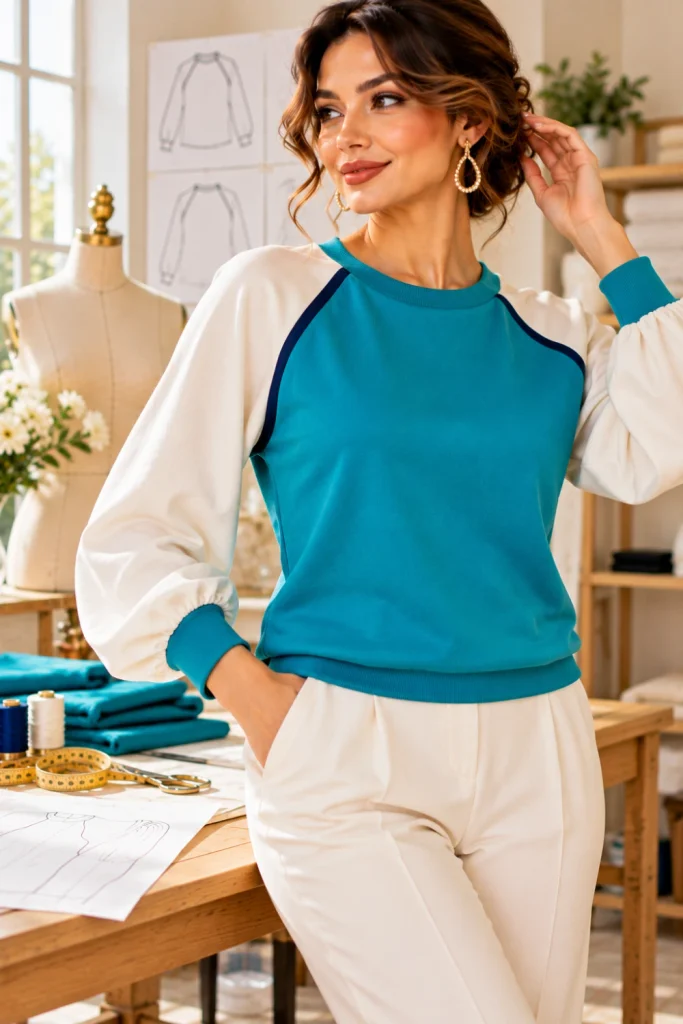
Raglan sleeves are recognized by their diagonal seam running from the underarm toward the neckline.
Beyond their sporty roots, they can create wonderfully modern silhouettes for relaxed dresses, sweatshirts, blouses, and casual tops.
Simple steps:
- Select a raglan bodice and sleeve pattern.
- Match the diagonal sleeve seams carefully.
- Sew the sleeve to the front and back bodice.
- Press the seams toward the preferred direction.
- Finish the neckline and cuffs.
Styling idea: Try a monochromatic fabric palette for a minimalist appearance, or use contrast fabric along the raglan seam.
One tip: Pay close attention to seam matching at the neckline because small inaccuracies become noticeable around this highly visible construction line.
9. Kimono Sleeve Sewing Patterns
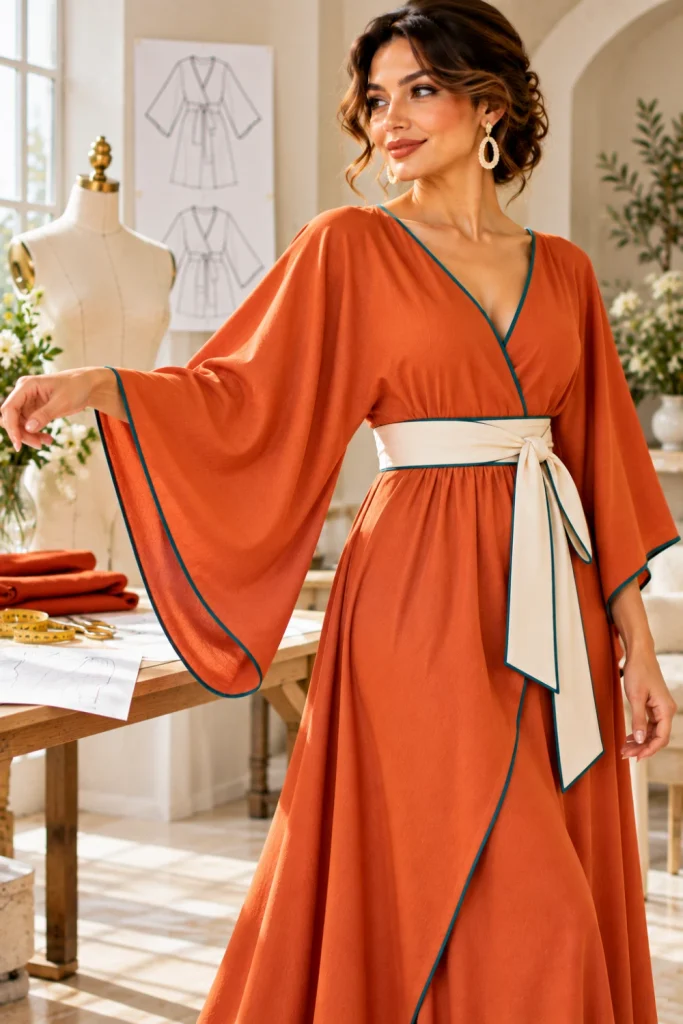
Kimono sleeves flow naturally from the bodice, creating an effortless silhouette with plenty of movement.
Their relaxed construction makes them ideal for modern dresses, lightweight jackets, robes, and oversized tops.
Simple steps:
- Select a loose-fitting bodice pattern.
- Extend the shoulder and sleeve directly from the bodice.
- Shape the underarm for comfortable movement.
- Sew the side and sleeve seams.
- Finish the sleeve opening neatly.
Styling idea: A wide kimono sleeve pairs beautifully with a clean waistline. Add a belt when you want more definition.
One tip: Make a quick toile before cutting expensive fabric because kimono sleeves can dramatically affect the overall fit and proportions.
10. Statement Sleeve Sewing Patterns
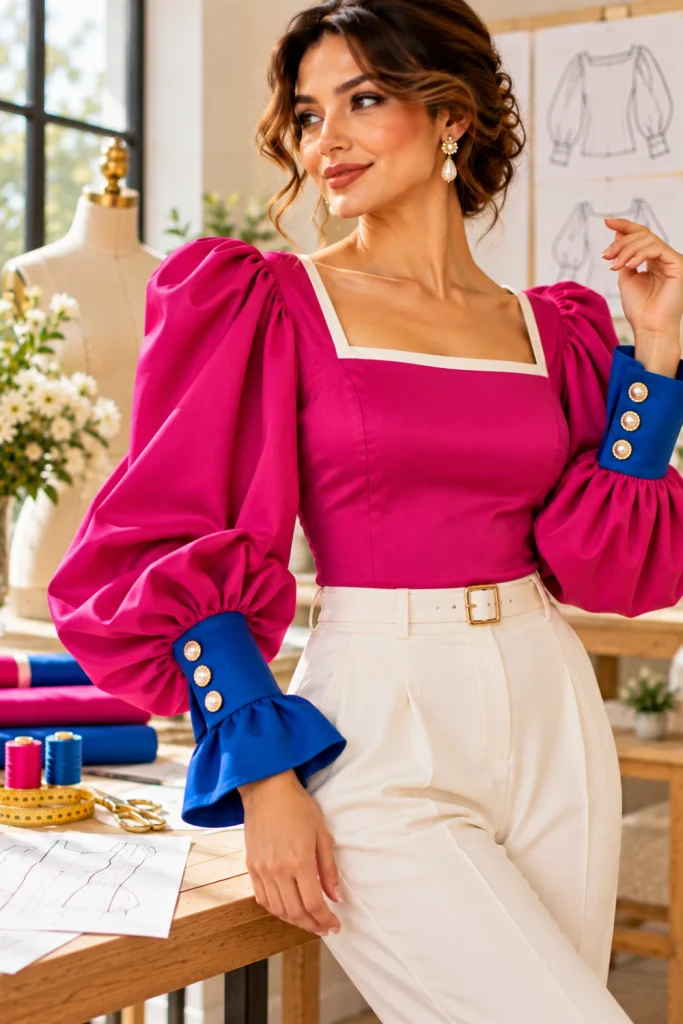
Statement sleeves bring several design elements together—volume, cuffs, gathers, pleats, unusual proportions, or sculptural shaping.
This approach lets a simple garment become the centerpiece of an outfit.
Simple steps:
- Choose a basic bodice with a clean silhouette.
- Select one dominant sleeve feature.
- Experiment with gathers, pleats, flare, or volume.
- Balance the sleeve with a controlled cuff or hem.
- Make a test version before cutting your final fabric.
Styling idea: Treat the sleeve like a statement architectural feature in a modern room: one strong focal point usually works better than several competing details.
One tip: If the sleeve is extremely dramatic, simplify the neckline, buttons, trims, and accessories.
Extra Sewing Tips for Better Sleeve Results
Beautiful sleeve designs depend on more than the pattern itself.
Construction, fabric, pressing, and proportion all affect the finished garment.
Before Cutting
- Measure carefully. Check upper-arm, bicep, wrist, and sleeve length measurements.
- Study the pattern. Identify where fullness, ease, gathers, and seam lines are located.
- Consider fabric behavior. A stiff fabric will produce a completely different sleeve from a fluid fabric.
- Make a test garment. This is especially useful for balloon, lantern, and statement sleeves.
During Construction
- Transfer every important pattern marking.
- Use the recommended seam allowance.
- Distribute gathers evenly instead of concentrating them in one area.
- Press seams as you go.
- Check sleeve balance before completing the hem or cuff.
For More Modern Results
- Pair voluminous sleeves with streamlined bottoms.
- Try monochromatic fabrics for an understated fashion look.
- Use contrasting cuffs for subtle visual definition.
- Mix structured sleeves with relaxed fabrics.
- Keep decorative details intentional rather than adding everything at once.
How to Choose the Right Sleeve Design
If you’re unsure where to begin, match the sleeve to the effect you want:
- Romantic: Choose puff or flutter sleeves.
- Elegant: Try bishop sleeves.
- Dramatic: Choose leg-of-mutton or statement sleeves.
- Contemporary: Experiment with balloon or lantern sleeves.
- Relaxed: Try kimono or raglan sleeves.
- Playful: Choose bell sleeves.
Fabric should also influence your choice. Lightweight fabrics are excellent for flutter and bishop sleeves, while crisp cottons can make balloon and lantern shapes more architectural.
Final Thoughts
The best stylish sleeve designs with sewing patterns for 2026 don’t necessarily require an entirely new wardrobe pattern.
Sometimes, changing the sleeve is enough to give a familiar dress or blouse a completely different personality.
Start with a simple sleeve block, experiment with proportions, and make a test version before committing to your final fabric.
Most importantly, think about balance.
A dramatic sleeve deserves a cleaner surrounding silhouette, while a delicate sleeve can work beautifully with softer styling.
For Pinterest-worthy sewing inspiration, save your favorite sleeve shapes, compare fabric possibilities, and experiment with one design at a time.
A well-chosen sleeve can turn a basic handmade garment into a piece that feels intentional, modern, and genuinely worth wearing.